Mostrando entradas con la etiqueta motta. Mostrar todas las entradas

sábado, 4 de abril de 2015

The italian Easter Colomba cake


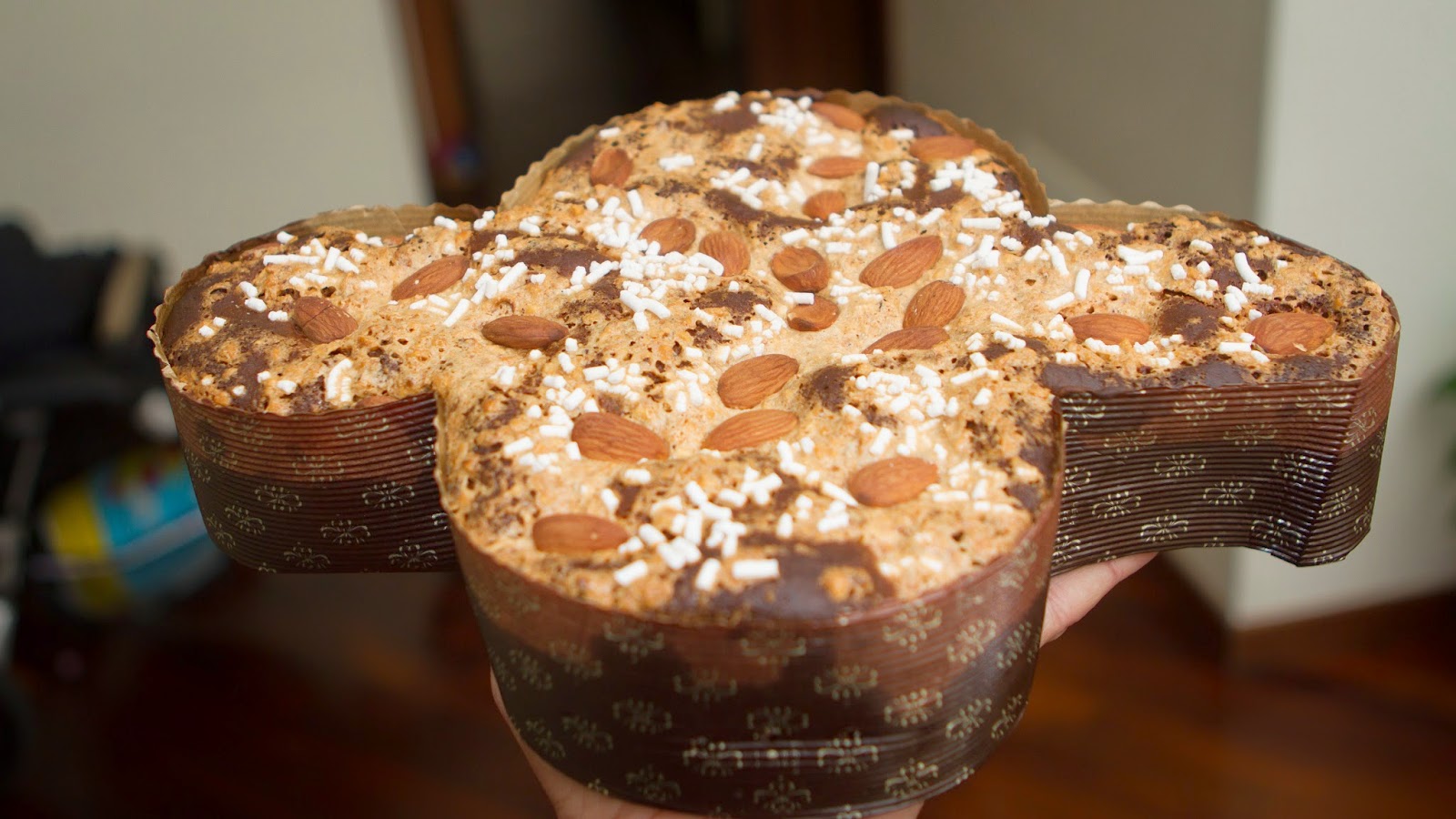
When you think about Easter time in Italy, the first things that comes up to your mind are sweet desserts, there are just too many Easter-themed sweet dish that you wouldn't believe! North to south, there are chocolate eggs, casatielli, pastiera, cassata...you name it! But there is a dessert that makes everyone happy: the Colomba pasquale, a cake very similar to the fluffy Christmas panettone shaped like a dove. "Colomba" in italian means actually "dove".


While the symbolical meaning of a dove-shaped cake to celebrate Easter is clear to everybody (dove is the symbol of Peace), the historical origin of the Colomba pasquale is somehow unclear.

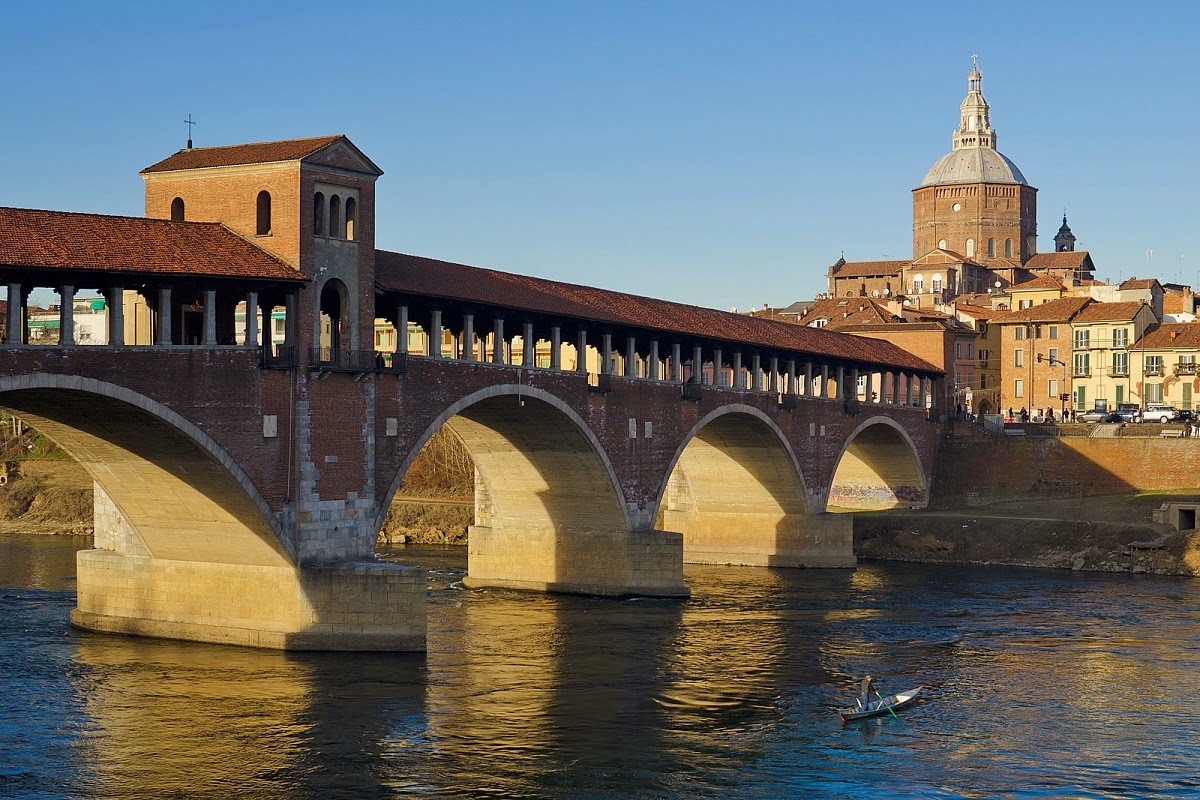
Pavia still has lots of heritage from the Longobards era.
Of course, like everything else in Italy, there are lots of legends around it. One of them settles the birth of the Colomba in the era of the fall of the Western Roman Empire. Italy's falling under the hammer of the barbarian invasion, we're in year 572, and Alboin, the king of the Longobards, is taking in siege the roman city of Ticinum (nowadays Pavia). After the conquer of Ticinum, the king is decided to execute a large amount of the population. To avoid the unpleasant decision, the ticinenses decided to create a delicious culinary gift as an hommage to the king Alboin: a sweet bread shaped like a dove, in sign of pacification. The cake is so tasty that the king decide not to execute the population: a good dessert can actually save thousands of lives! And there's more to it! Ticinum later became the capital city of the Longobard reign, under the name of "Papia", that is the city of the "pope" (or to better say, the main religious authority of the Longobard reign, the Arian Archbishop).

Loved the legend? Want one more? Ok here it goes: we're again in Lombardy, some decade later that the history of Alboin we saw before: the Longobard reign is now completely settled, and the legend we`ll see takes place when the king is Agilulf and the queen is the catholic Teodolinda.

Queen Teodolinda portrayed in a fresco in the Teodolinda Chapel, in the cathedral of Monza. A masterpiece of gothic art from the Zavattari brothers, a must see!
The carismatic queen Teodolinda wanted to convert many of her subjects from Arian heresy to catholic orthodoxy, and to do so she invited lots of great preachers of the time in Lombardy. One of these great preacher, that was reaching Rome through the Via Francigena (a great pilgrimage route like the Camino de Santiago), was Saint Columbanus, an irish monk.

The Via Francigena pilgrimage route passing through Pavia


When invited to a lunch with the queen Teodolinda, just few day prior to Easter, he found himself very uncomfotable: too many dishes, too many meals and kinds of meats and he was in the amidst of Lent Fasting. To find a solution, he offered himself to bless the food. But no sooner had he blessed the lunch than the meat was transformed into a delicious sweet bread shaped -guess how?- like a dove! Wow! A miracle! Saint Columbanus, which is a latin translitteration of the irish words Colum Bann, "white dove", actually transformed the meals according to his name. He was a boss!

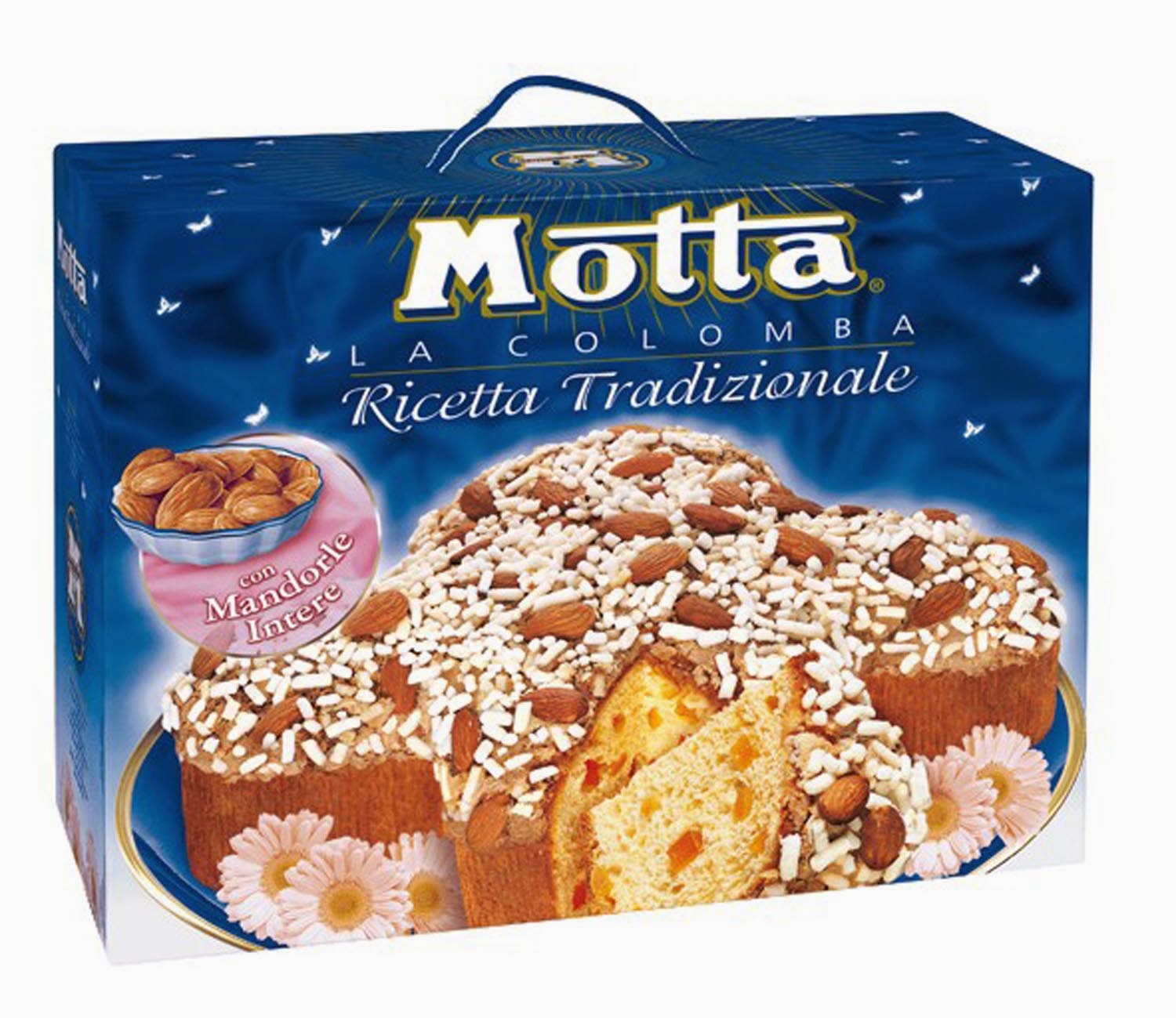
The original Colomba pasquale by Motta

That's enogh with the legends, but what about the real history of the Colomba? Well, the history is actually more prosaic, and it startes in the Thirties of the Nineteenth century. The creator of the modern days Colomba is the ad man Dino Villani, that wirked for the Motta, an historical firm that produces (back then as it does now) the milanese Christmas cake par excellence: the Panettone. Dino Villani had the brilliant idea to keep working the industries after the Christmas season producing the traditional dove-shaped cake using a modified version of the dough of the Panettone. Of course, the idea was a big time success! Dino Villani was a genious and one of the very first modern-days advertising man: he also designed the Motta "M" logo that you can easily identificate all over the world with high-quality milanese sweet threats.

The iconic "M" sign for Motta, idea of the advertising genius Dino Villani

Now that you have the complete story, you can choose which one you prefer to believe in! The Colomba is a delicious dessert, you can find it at any good Italian shop or also at Eataly (and there you can find the Motta's Colomba too!).
Today, the Colomba is an excellence traditional italian product enlisted as a P.A.T. (Prodotto Agroalimentare Tradizionale) by the italian Ministry of Agriculture.
Don't miss it if you can!

Buona Pasqua!
Image and video hosting by TinyPic

La storia della Colomba Pasquale


Quando si pensa alla Pasqua si pensa all'uovo di cioccolata, alla pastiera e alla colomba: è qualcosa che fa parte ormai del retaggio culturale italiano. La Pasqua, si sa, è un momento da vivere attorno ad una buona tavola, spesso con una buona dose di dolci.
Ma qual è la storia della Colomba Pasquale? Ebbene, le ipotesi sono molte, alcune più leggendarie, mentre altre ben più prosaiche. Noi preferiamo scegliere quelle che stimolano maggiormente la fantasia, siamo fatti così.


La colomba è da sempre un simbolo di pace e di fratellanza, ed il suo significato pasquale è molto chiaro. Ma quando si è in guerra, un gesto di pace può letteralmente salvare delle vite.
Siamo nella antica Ticinum, una città oggi chiamata Pavia, straordinario centro universitario e culturale lungo la Via Francigena, cammino di pellegrinaggio d'Europa che nulla ha da invidiare al Camino de Santiago.


La Via Francigena collega Canterbury con Roma, e poi continua fino a Gerusalemme.

Ebbene, all'indomani della caduta dell'Impero Romano d'Occidente, il vecchio continente è in preda alle invasioni barbariche, il nord Italia cade sotto i colpi dei Longobardi. Ticinum non fa eccezione: cadrà nel 572 ad opera del Re longobardo Alboino dopo un lunghissimo ed estenuante assedio. Per aver salva la vita, i pavesi si inventarono un soffice pane dolce a forma di colomba, simbolo di pacificazione, da offrire al potente re. Il re, dopo avere visto ed apprezzato le doti culinarie pavesi, decise di risparmiare la vita agli abitanti. Va detto che il dolce riuscì nell'impresa di conquistare il cuore del re, evidentemente, giacchè Ticinum divenne poi una potentissima capitale longobarda, nonchè sede del potere religioso: Ticinum infatti divenne proprio in epoca longobarda "Papia", cioè città dei papi, forse per via di essere stata la sede del primo vescovo ariano, una eresia cristiana molto diffusa tra i longobardi. Insomma, le colombe dolci erano già allora decisamente irresistibili!


La bellissima città di Pavia conserva ancora numerosi monumenti di epoca Longobarda. Sullo sfondo, la cupola del duomo

Ma c'è anche un'altra leggenda sulla nascita della colomba, sempre risalente all'area lombarda e sempre in epoca longobarda, questa volta siamo sotto il regno della regina Teodolinda (che non era ariana ma cattolica) e del re Agilulfo.


Un banchetto della Teodolinda rappresentato in affresco  nella cappella omoniman nel duomo di Monza, capolavoro della pittura gotica dei fratelli Zavattari. Da vedere!

Teodolinda favorì la conversione dei suoi concittadini anche grazie a persone assai carismatiche, come San Colombano, un santo Irlandese che era di passaggio nelle terre longobarde (la sua meta era raggiungere Roma, attraverso la già citata Via Francigena, per ricevere dal Papa l'approvazione della sua regola monastica).
Si dice che una volta, quando San Colombano era a cena con la regina Teodolinda, pochi giorni prima di Pasqua, si sentisse profondamente a disagio per via del bendidio che c'era a tavola: il banchetto era infatti pieno di ogni sorta di carne rossa, per lui off limits nel periodo della quaresima. Per evitare ogni problema di carattere religioso, san Colombano si offrì di benedire il banchetto. In un attimo, avvenne il miracolo! La selvaggina e le carni rosse si trasformarono in soffici ed irresistibili dolci a forma di colomba!

Va detto che San Colombano è una italianizzazione di un nome irlandese, Colum Bann, che significa proprio...colomba bianca! Quasi un marchio di fabbrica sul dolce che da lui sarebbe stato miracolosamente inventato!

Fin qui la leggenda...ma la storia è in effetti molto più breve e prosaica: la colomba, come dolce industriale moderno, sarebbe stato inventato infatti negli anni Trenta del Novecento dal pubblicitario Dino Villani, della industria dolciaria milanese Motta, che ebbe l'intuizione di riproporre questo dolce tradizionale a Pasqua utilizzando ingredienti simili a quelli del Panettone Milanese, per mantenere attive le fabbriche anche dopo il periodo natalizio.


Dino Villani, va detto, era un genio della pubblicità: fu lui ad inventare anche il logo della Motta, oggi riconoscibilissima icona dell'industria dolciaria milanese ed italiana.


Quale che sia la sua storia, oggi la Colomba è diventato un dolce davvero irrinunciabile per la Pasqua, la festa che sancisce a pieno titolo l'arrivo della primavera. Oggi la Colomba è addirittura un dolce inserito tra l'elenco dei Prodotti Agroalimentari Tradizionali (P.A.T.) del Ministero dell'Agricoltura, come ulteriore certificato di qualità di questo meraviglioso dolce.


Buona Pasqua a tutti!
Image and video hosting by TinyPic